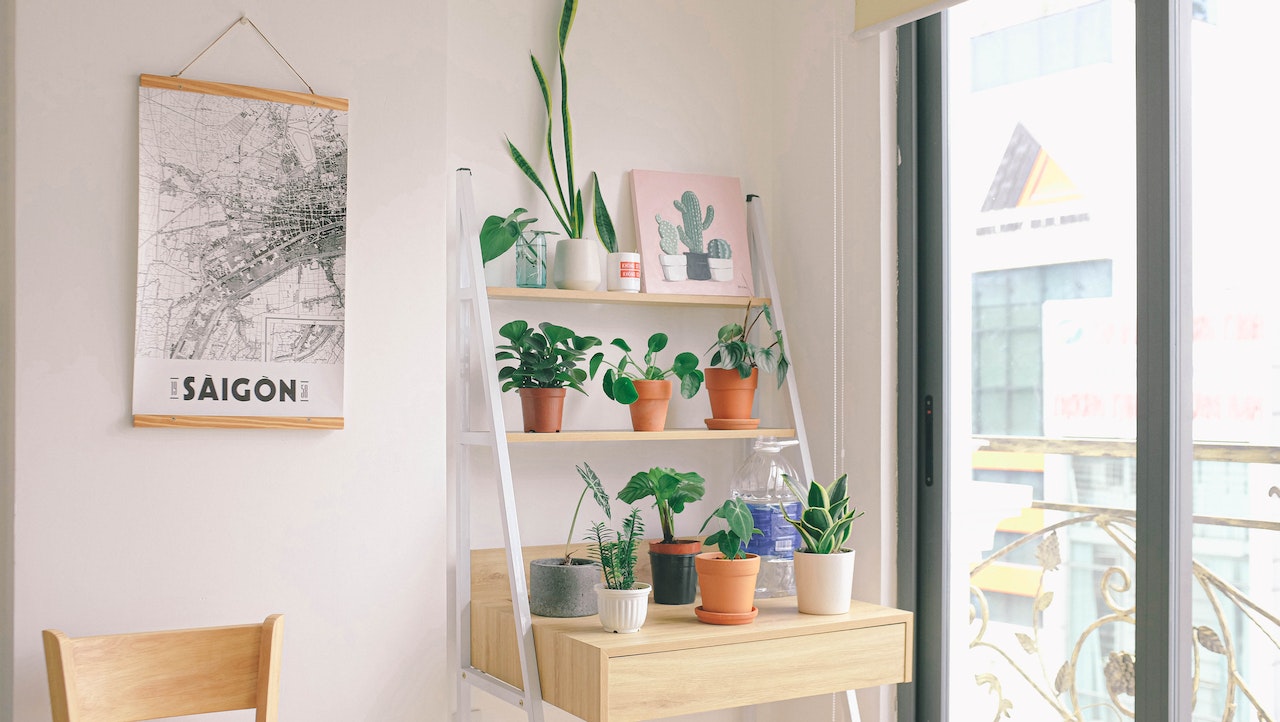
Danshari, which can be understood as minimalism, was proposed by Japanese author Yamashita Hideko.: don’t buy, don’t collect, don’t take unnecessary things, avoid tolerating too much. “Sha – Xa”: throw away valuable and useless things in the house, avoid accumulating too much. “Ri – Ly”: get rid of your dependence on material things, so that the house has a spacious, comfortable and free space. Minimalism does not mean being stingy and draconian in spending.
Many people think that the minimalist lifestyle is far out of reach when they have small children. Because there are small children in the house, how can it be cleaned up neatly and stored less? However, Joshua Becker in his book “Clutterfree with Kids” asserts that the principles of minimalism are completely workable no matter how many children you have or where you live.
The minimalist lifestyle is not only possible when the family has young children, but it is also a lifestyle that brings many benefits to the children. By maintaining a minimalist lifestyle, your children will learn valuable lessons:
We don’t need to buy a lot of things to feel happy.
We don’t have to live life like everyone else.
Let’s live within our means.
– Always think carefully about purchasing decisions.
– Be willing to share with others by donating and giving away things you no longer use.
– Clutter and clutter is one thing that makes life heavier.
– When you don’t have to spend a lot of effort on cleaning, family members will have more time together.
– We control our belongings, not letting them put pressure on us.
And here are the ways that Joshua Becker advises parents to implement in shopping and cleaning decisions to start a minimalist lifestyle when having young children:
1. Start slowing down shopping for supplies
Reducing your personal belongings is the first thing and the whole family’s stuff is the second. It’s certainly not fair to adopt a minimalist furniture lifestyle for your kids and not yourself.
Before you buy something, ask yourself a few questions:
– Is this item really necessary?
– Do I have room in the house to put it?
– How much will this item cost me?
– Do I have another good reason to buy it?
In the process of slowing down your shopping to eliminate the clutter of personal belongings, you will learn valuable lessons. From those lessons, parents put themselves in their children’s shoes to help them better navigate their own journey to realize their minimalist lifestyle.
2. Get rid of unnecessary items
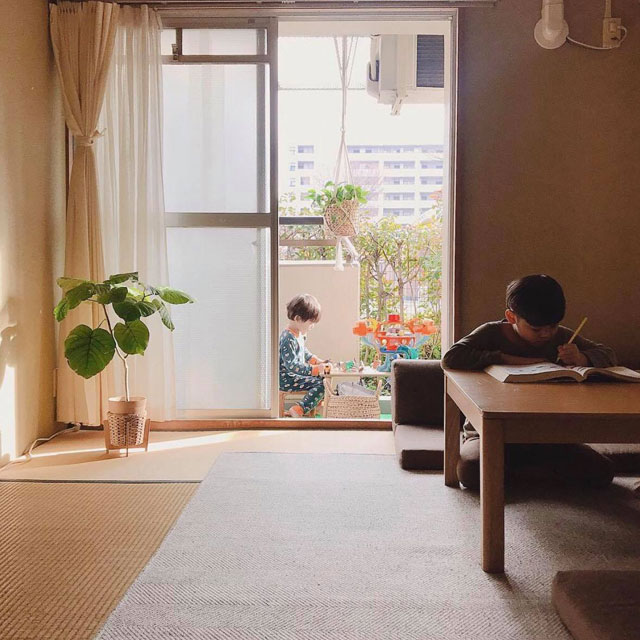
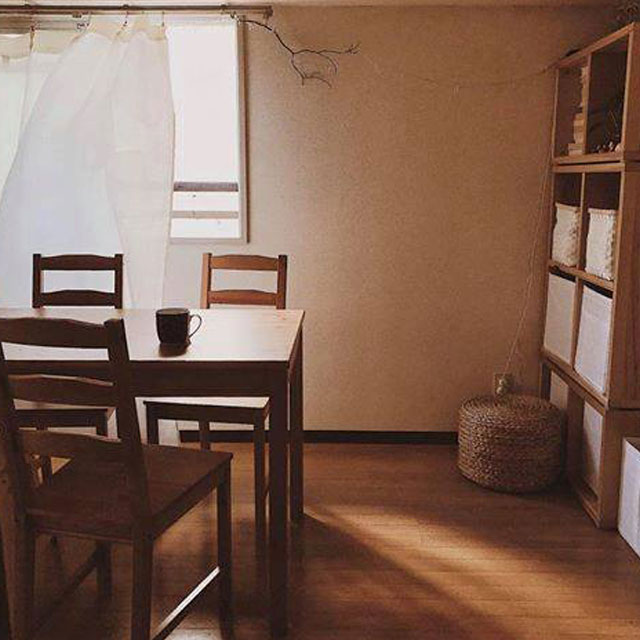
Minimalism means keeping only the essentials. We should get rid of the unnecessary things in our lives to focus on the important things. Most homes are filled with unnecessary, even unused, items.
You can start by getting rid of clothes your kids don’t wear, toys they no longer play with, and other items they haven’t used in a while. It’s a basic step that’s so easy that anyone can do it, and you can even guide your kids through it.
3. Make careful future purchasing decisions
Minimalist lifestyle does not mean that you stop shopping, although shopping less, it will increase quality. We still need to buy many things in the future. Children will be older, clothes, toys, school supplies, sports equipment… still need to be purchased to meet their needs.
However, before making purchase decisions, parents should think carefully and carefully. Instead of asking “Do I want this?” with the question “Do I need this?”. Just this simple tip will help you buy exactly what you need for your children, avoid wasting money and prevent clogging of space in the house because of too many items.
One more thing, parents need to pay special attention when shopping for promotional items for their children. It’s a good way to save money, but don’t buy a lot of “storage” and make the mistake of buying unnecessary things.
4. Never be stingy for interesting experiences
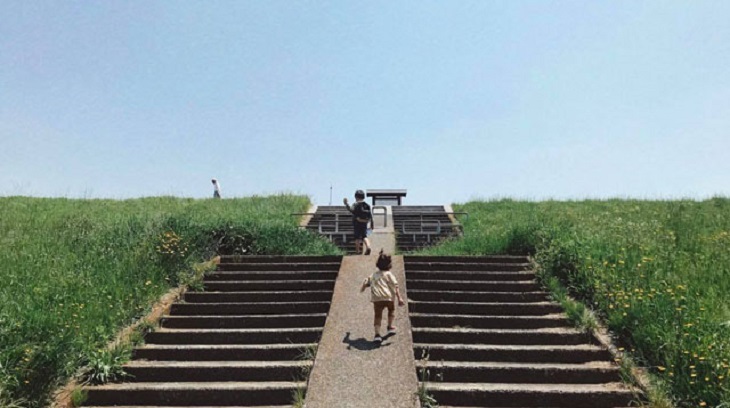
One benefit of minimalism is that you spend less money on furniture, and more time by not having to deal with clutter in your home. So your family will have more money to save and do meaningful things with that money.
Plan a trip to the beach, theme park or exciting experience trips for the family and the kids. Those things certainly mean a lot more than buying too many things and then piling them up in the house into a stuffy mess.
Minimalism emphasizes meaningful experiences, human feelings and relaxation and happiness in the soul. Applying minimalism in spending when the family has small children, raising children will no longer be a great economic pressure. Not only do you train your children with good qualities and lessons, but you also have more opportunities to help them experience life through trips.